

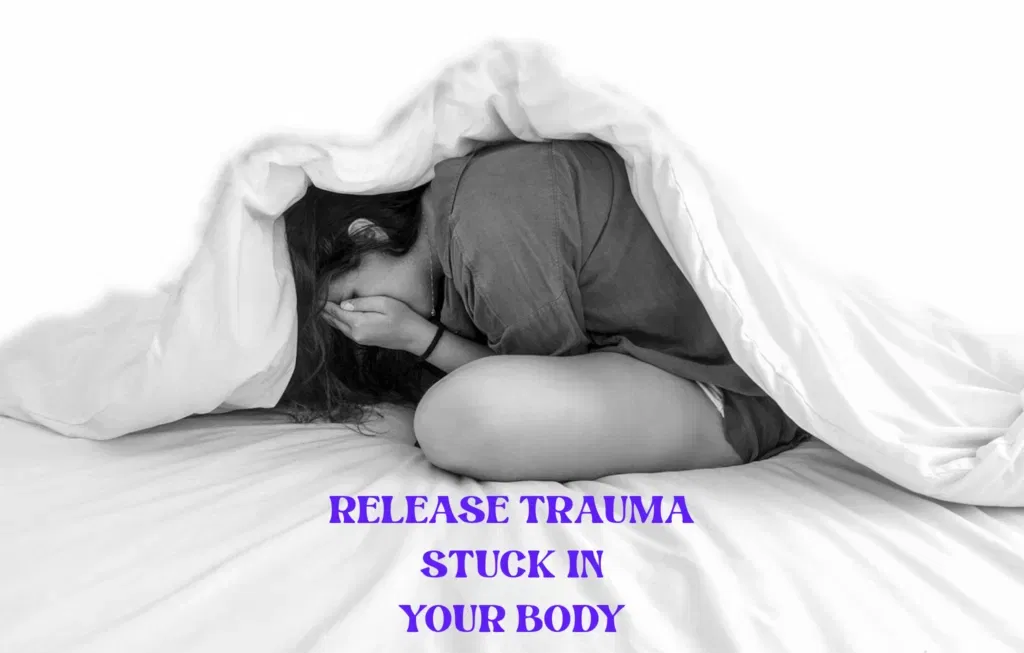
Emotional trauma leaves echoes in the body long after the initial wound has passed. It lives in the nervous system, shaping how we breathe, sleep, relate, and respond to stress. While talk therapy and other modalities can bring clarity and healing, many people still find themselves carrying an invisible weight that words alone cannot lift.
This is where sound comes in.
The Science of Sound and Trauma
Neuroscience has shown us that trauma is stored not only in memory but also in the body. The autonomic nervous system—our built-in regulation system—often gets “stuck” in cycles of hypervigilance (fight-or-flight) or shutdown (freeze).
Sound healing works directly with this system. Research suggests that:
- Low-frequency vibrations can calm an overactive stress response, reducing cortisol and heart rate.
- Rhythmic tones help re-establish a sense of safety and predictability, key for trauma recovery.
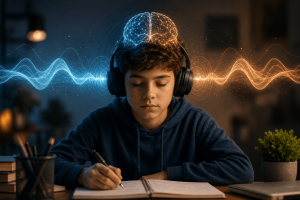
- Harmonic resonance engages the vagus nerve, a major player in emotional regulation and the body’s ability to return to calm.
In other words, sound doesn’t just relax you—it creates conditions where the nervous system can reset, making space for new emotional patterns to emerge.
Stories from the Sound Field
While the science is compelling, it’s often the stories that illuminate the lived experience of healing.
One woman came to a sound bath carrying decades of unresolved grief. She described feeling a vibration in her chest during the session—like a locked door slowly opening. Tears came, not as overwhelm, but as release. “I didn’t have to explain it,” she said. “The sound understood me.”
Another participant, a veteran, found that the tones created a bridge between his racing mind and his body. After years of feeling on guard, he finally experienced 20 minutes of deep rest. “It was the first time in years I felt safe enough to close my eyes,” he shared.
These are not isolated stories—they echo across cultures and centuries, reminding us that sound has always been medicine for the human heart.
Why Sound Works When Words Don’t
Trauma often lodges itself beneath language, in places that can’t be easily reached by talking. Sound offers a non-verbal pathway.
Instead of asking the mind to explain, sound asks the body to feel. It bypasses the thinking brain and goes directly to the rhythms that regulate safety, belonging, and ease. That’s why so many people describe the experience as both mysterious and deeply natural—like remembering a language the body already knew.
Bringing Sound into Your Healing Journey
If you’re carrying the echoes of trauma, know this: you don’t have to do it alone, and you don’t have to rely only on words. Sound can be a gentle, supportive ally in your healing process.
Whether through a guided sound bath, curated healing frequencies, or a simple daily ritual of humming and listening, sound reminds the nervous system that safety is possible, connection is possible, and healing is possible.
Trauma may leave echoes—but resonance can re-write the song.
Invitation: At Aurras, our sound healing sessions and audio programs are created with this exact intention: to support nervous system repair, emotional release, and a renewed sense of calm. Explore our offerings and let sound become part of your healing journey. Explore here