


Why they’re not the same thing — and why both matter
In the world of healing, two experiences often get blended together:
Emotional release
and
nervous system regulation.
They can overlap.
They can support one another.
But they are not the same.
Understanding the difference changes how we measure progress — and how we choose the kind of support we need.
What Is Emotional Release?
Emotional release is what most people recognize as healing.
It might look like:
- Crying deeply
- Expressing anger
- Revisiting a painful memory
- Having a breakthrough realization
- Feeling a wave of grief or relief move through the body
It is often intense.
It often feels cathartic.
It can feel like something has finally “come out.”
And sometimes it is exactly what’s needed.
Emotional release helps move stored emotion from the surface of consciousness into expression. It can unfreeze something that has been held.
But emotional release does not automatically equal regulation.
What Is Nervous System Regulation?
Nervous system regulation is quieter.
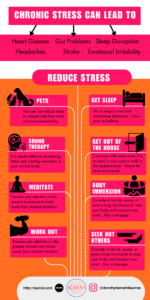
It is the process of bringing the body out of chronic vigilance and back into a state of safety and balance.
It might feel like:
- A deeper exhale
- A slower heart rate
- Shoulders dropping without effort
- Thoughts losing urgency
- A sense of steadiness returning
There may be no tears.
No insight.
No dramatic moment.
Just a subtle shift toward calm.
Regulation isn’t about processing a story.
It’s about changing the body’s baseline state.
And that baseline is what determines how we respond to everything else.
Why Emotional Release Isn’t Always Enough
It’s possible to have a powerful emotional release…
and still remain dysregulated.
You might cry.
You might feel lighter.
But your system may still be in hypervigilance.
Because release moves emotion.
Regulation changes physiology.
If the nervous system doesn’t feel safe, it may brace again after the release — sometimes within hours.
This is why some people experience cycles of breakthrough and collapse.
The body hasn’t learned how to stay settled.
Why Regulation Sometimes Comes First
For many people — especially those who’ve lived with long-term stress — the nervous system doesn’t trust intensity.
Before it can safely process deeper emotions, it needs to experience safety repeatedly.
That safety might come through:
- Predictable pacing
- Gentle sound frequencies
- Stillness
- Repetition
- Sessions that don’t demand emotional excavation
Regulation builds capacity.
And capacity is what allows emotional work to be integrated rather than overwhelming.
They Are Not Opposites
Emotional release and nervous system regulation are not competing models.
They serve different roles.
Release can clear what is ready to move.
Regulation stabilizes the system so it doesn’t have to defend.
Sometimes regulation leads to release.
Sometimes release reveals how dysregulated we are.
Sometimes the most healing session is the one where nothing dramatic happens at all.
A Different Way to Measure Healing
Instead of asking:
“Did I have a breakthrough?”
You might ask:
- Do I recover from stress more quickly?
- Do I feel less reactive?
- Is my sleep slightly deeper?
- Does my body soften more easily than it used to?
These are signs of regulation.
And regulation creates the conditions for lasting transformation.
Healing doesn’t always arrive as a storm.
Sometimes it arrives as steadiness.
And steadiness, over time, changes everything.
Feeling overwhelmed or wired? This video is part of my Feel Safe Again journey—a path to soothe your nervous system and find calm within.
Want a deeper reset? Download the Feel Safe Again Ritual Guide → Grab Yours Now