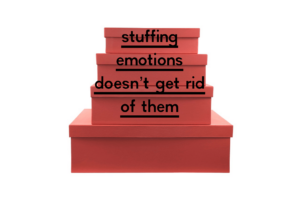



When nervous system safety matters more than big emotional release
In a culture that celebrates breakthroughs, we’ve been conditioned to expect healing to look dramatic.
We expect tears.
Epiphanies.
Cathartic releases.
A before-and-after moment we can point to and say, That’s when everything changed.
But much of real healing — especially nervous system healing — does not arrive like a lightning strike.
It arrives quietly.
The Nervous System Doesn’t Heal Through Intensity
When the nervous system has been living in stress — even subtle, chronic stress — its primary goal is safety.
Not transformation.
Not expansion.
Not catharsis.
If your system has been bracing for years — holding tension in the jaw, keeping the breath shallow, staying alert even when nothing is happening — it does not immediately trust intensity.
In fact, big emotional release can sometimes feel destabilizing to a system that hasn’t yet learned how to rest.
That’s why certain forms of healing feel… subtle.
Because they are not trying to blow anything open.
They are trying to rebuild trust.
Subtle Is Not Small
When someone leaves a sound bath and says:
“I just felt calm.”
“I slept deeply.”
“I didn’t realize how tight my shoulders were until they dropped.”
Those may not sound transformational.
But physiologically?
That’s significant.
A deeper exhale means the vagus nerve has shifted.
A softened jaw means the body has exited micro-defense.
A quiet mind means cognitive load has reduced.
These are not dramatic shifts.
They are regulatory shifts.
And regulatory shifts are what make lasting change possible.
Big Releases Can Be Beautiful — But They’re Not the Goal
There is nothing wrong with emotional breakthroughs. They can be powerful and necessary.
But if every healing experience aims for a crescendo, the nervous system may never fully settle.
Some systems need slow pacing.
Low, steady sound.
Repetition.
Predictability.
They need to experience:
“I am safe here.”
“I don’t have to brace.”
“I don’t have to process anything right now.”
That safety, repeated over time, changes baseline functioning.
And baseline change is more sustainable than momentary catharsis.
The Quiet Work Is Often the Deep Work
Healing that feels subtle often means:
- Your system didn’t need to fight.
- Your body didn’t need to defend.
- Your mind didn’t need to analyze.
- You were allowed to simply rest.
That is not small.
That is foundational.
We often miss it because it doesn’t feel dramatic.
But the nervous system heals through repetition and steadiness, not spectacle.
What to Notice Instead of “Breakthrough”
After a quiet sound bath, ask:
- Did my breath deepen?
- Did I feel less urgency?
- Did something unclench?
- Did I feel even 5% more grounded?
Those micro-shifts accumulate.
And over weeks and months, that accumulation becomes visible:
You respond differently.
You sleep more easily.
You feel less reactive.
You recover faster.
The transformation didn’t explode.
It stabilized.
When Safety Comes First
For many people — especially caregivers, highly responsible personalities, or those who have been “holding it together” for years — the most healing experience is not release.
It is permission.
Permission to not perform strength.
Permission to not process anything.
Permission to simply lie down and let the body soften.
That is why some sound baths are quiet.
Why pacing is slow.
Why nothing dramatic happens.
Because sometimes what heals is not the emotional breakthrough.
It is the moment the body realizes it no longer has to brace.
And that realization is subtle.
But it is profound.
Feeling overwhelmed or wired? This video is part of my Feel Safe Again journey—a path to soothe your nervous system and find calm within.
This is more than a session.
It’s a way to change how your entire week unfolds.